Everyday Encounters: Outdoor Restoration in Neighborhood Environments
68% of the world’s population is expected to live in urban areas by 2050 (United Nations, 2019), resulting in reduced everyday interaction with natural environments.


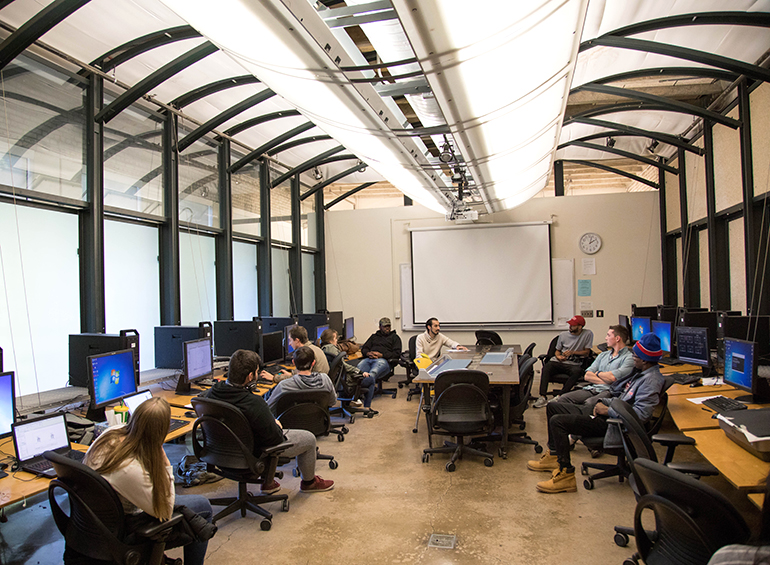
Students in the Master of Architecture program engage in a self-directed two-semester research and design process towards the completion of a Master Thesis Project/Investigation.
All Thesis candidates produce a final comprehensive Thesis Book that captures the entire arc of the thesis development, from the introduction and grounding of the work, to the presentation of methods, findings and implications in relation to the intellectual context of the topic of investigation.
Through a clear and articulated discussion of the various phases of the thesis process, Thesis Books demonstrate the Thesis candidate’s ability to sustain a position/central argument/design proposal through rigorous presentation of research and design work.
68% of the world’s population is expected to live in urban areas by 2050 (United Nations, 2019), resulting in reduced everyday interaction with natural environments.
Many design experts understand Universal Design (UD) to be comparative to accessible design, focusing on guidelines set by code regulations.
Non-motorized transport (NMT) is arguably the most sustainable mode of transport: it is affordable, produces minimal pollution, promotes health, and fosters social cohesion.
Sacred spaces have historically served as places of cultural identity, spiritual practice, and collective gathering, yet many now face declining use and increasing separation from contemporary daily life.
Sustainability is the practice of ensuring that today’s needs are met, without preventing them from being met in the future.
People in the United States spend approximately 90% of their time indoors (US EPA), where exposure to toxic materials is significantly greater, yet the current regulatory frameworks remain reactive rather than preventative.
As we move from past to present, cities are becoming increasingly disconnected from the food systems that ultimately sustain them, instead reliant on linear, extractive practices that deplete our ecological and social resources.
Contemporary architectural practice operates within a development system that limits the architect’s influence over the economic, temporal, and ownership decisions that shape the built environment.
This study explored how retrofitting social housing can better support multigenerational families in Windsor.
Longevity is a multifactorial phenomenon shaped by behavioral, environmental, and spatial conditions.